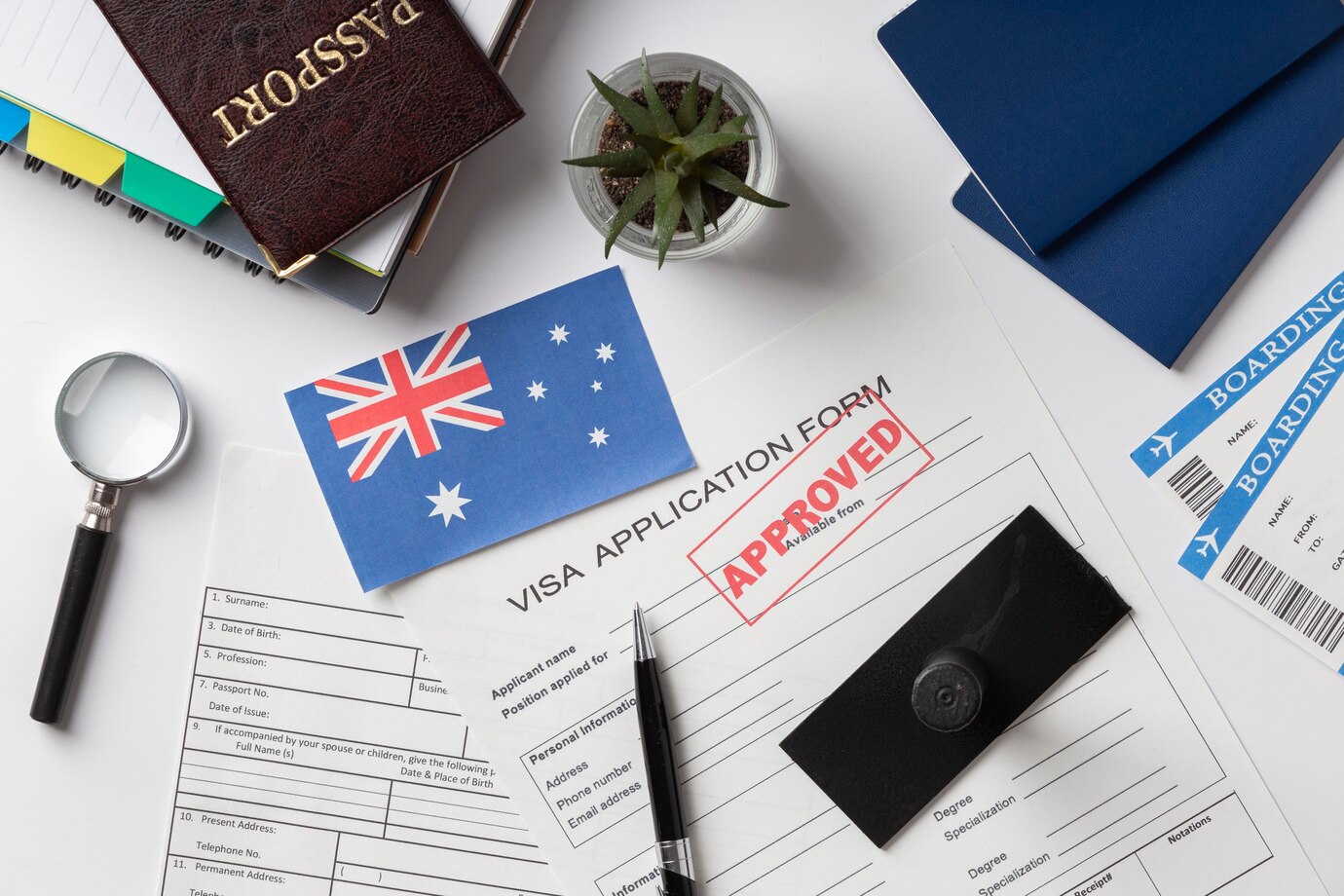
Temporary vs Permanent Work Visas
Choosing between a temporary and a permanent work visa is a big step for anyone aiming to grow their career abroad. This choice impacts not just your job path but also your lifestyle and family’s future. Knowing what each visa option offers—and what it means for your plans—can help you make the best choice for your long-term goals. So, which should you choose between temporary vs permanent work visas?
When deciding between a temporary or permanent work visa, think about how long you want to stay and the opportunities each path opens up. Temporary visas are ideal for short-term jobs or specific projects, while permanent visas offer a chance at long-term residency and even a pathway to citizenship, helping you fully integrate into the host country’s society and economy.
Read on to explore which option best fits your career goals and lifestyle plans.
Temporary Vs Permanent Work Visas – A Short Answer
When it comes to choosing between temporary and permanent work visas, the decision really depends on your career goals and personal dreams. Temporary work visas are usually issued for specific periods and purposes, meaning you’ll need to renew them and might face some job flexibility limitations. On the other hand, permanent work visas offer the freedom to stay indefinitely, explore a wider range of job options and even work towards citizenship. This path can provide a solid foundation for anyone looking to settle down and fully embrace life in a new country.
Discover How Lewis & Bollard Can Help You in Sydney and Beyond
Whether you’re in Sydney, NSW, VIC or QLD, Lewis & Bollard Solicitors and Migration Experts is your trusted partner in navigating the complexities of temporary and permanent work visas. Our expert team is dedicated to providing tailored advice and support that aligns with your individual needs and goals.
Take the first step towards securing your future in Australia with our specialised visa services. Call us on +612 9283 0888 or visit our Contact Us page today to learn more and get started. Your journey begins here with Lewis & Bollard.
What is a Temporary Work Visa?
A temporary work visa allows non-citizens to live and work in a host country for a designated period. These visas are generally issued for specific reasons, such as employment in particular industries or participation in cultural exchange programs. The duration and conditions vary significantly depending on the visa type and the issuing country.
Features of Temporary Work Visas
Before diving into the specifics, it’s essential to understand the general features that define temporary work visas. These include:
- Limited Duration: Typically valid for anywhere from a few months to several years, but they do not offer permanent residency.
- Employment Restrictions: Most temporary visas are tied to a specific employer or job.
- No Path to Citizenship: These visas are not designed as a step towards citizenship; they are intended for a defined and temporary stay.
- Specific Purpose: Temporary work visas are often issued for specific purposes, such as seasonal work, internships or cultural exchange programs.
- Renewal Requirements: These visas may be renewable, but it often involves a complex process and is not guaranteed.
- Restricted Social Benefits: Access to public benefits and social services may be limited compared to permanent residents.
Types of Temporary Work Visas
Temporary work visas cater to various professional and personal needs, facilitating the legal entry and temporary stay of workers from diverse sectors. Some of the key types include:
- Temporary Skill Shortage Visa (Subclass 482): Allows employers to address labour shortages by bringing in skilled workers where no skilled Australian workers are available.
- Working Holiday Visa (Subclass 417 and 462): Enables young adults to enjoy an extended holiday while having the right to work temporarily to fund their stay.
- Temporary Graduate Visa (Subclass 485): Permits international students who have recently graduated from Australian educational institutions to stay in Australia temporarily to gain work experience.
- Seasonal Worker Programme: Targets specific industries, such as agriculture, accommodating seasonal demand for extra workers.
- APEC Business Travel Card: Provides simplified entry for business people from participating APEC economies for short business visits.
- Inter-company Transfer Visa: Facilitates the transfer of foreign employees to an Australian branch of their company for temporary work assignments.
What is a Permanent Work Visa?
A permanent work visa, often known as an immigrant visa, allows individuals to reside indefinitely in the host country. These visas are usually a pathway to permanent residency and later on, citizenship. Applicants must often go through rigorous application processes, including proving their skills, financial stability and integration into the country’s culture.
Features of Permanent Work Visas
Permanent work visas come with a set of distinct features that benefit the visa holder significantly:
- Long-term Residency: They enable holders to live permanently in the host country.
- Fewer Employment Restrictions: Generally, holders can change employers without affecting their visa status.
- Path to Citizenship: These visas often provide a clear route to becoming a citizen of the host country.
- Access to Social Benefits: The eligibility for government benefits and services are similar to those available to citizens.
- Family Inclusion: Permanent work visas often allow for the inclusion of family members, who can also receive permanent status.
- Broader Work Opportunities: They also enable access to a wider range of employment opportunities across sectors and industries.
Types of Permanent Work Visas
Permanent work visas provide long-term residency options, often leading to citizenship. This reflects a commitment from both the migrant and the host country. It signifies a dedication to prolonged integration into the workforce and society. Notable types include:
- Skilled Independent Visa (Subclass 189): Allows skilled workers to immigrate to Australia as permanent residents without the need for employer sponsorship.
- Employer Nomination Scheme (ENS) – Subclass 186: Enables Australian employers to sponsor highly skilled foreign workers to live and work permanently in Australia.
- Global Talent Visa (Subclass 858): For individuals who have an internationally recognised record of exceptional and outstanding achievement in an eligible field.
- Partner Visa: For the spouse or partner of an Australian citizen, permanent resident or eligible New Zealand citizen, providing a pathway to permanent residency.
- Parent Visa: Allows parents of a settled Australian citizen, permanent resident or eligible New Zealand citizen to migrate to Australia permanently.
Factors to Consider When Choosing Temporary Vs Permanent Work Visa
Choosing the right type of work visa, whether temporary or permanent, depends on multiple factors that align with your personal circumstances, career ambitions and long-term goals. Check out these factors below:
Personal and Professional Goals
Your long-term personal and career goals play a crucial role in deciding which visa is right for you. If you’re after short-term employment or want to gain international experience for a limited time, a temporary work visa might be the perfect fit. It’s ideal for specific projects with a clear end date. However, if you’re planning to settle down and build a lasting career in a new country, a permanent work visa is more suitable. This option offers the stability you need and is great for professionals looking for long-term growth opportunities.
Eligibility Requirements
Each visa type has its own eligibility requirements, which can greatly influence your choice. Temporary visas are usually easier to obtain, focusing on the immediate needs of the host country’s job market. However, they often come with restrictions like limited duration and dependence on a specific employer. In contrast, permanent visas offer more benefits but come with stricter requirements, including language proficiency, skills assessments and sometimes a points-based system that evaluates how you can contribute to the economy.
Economic Opportunities
The economic opportunities associated with each visa can also impact your decision. Temporary visas may limit you to specific roles and make it harder to switch jobs or advance in your career. On the other hand, permanent visas provide greater job flexibility and economic security. They allow you to explore a broader range of employment options, start your own business and access public funds and social security benefits, which can be especially beneficial for long-term financial planning.
Family Considerations
If you plan to move with your family, choosing the right visa becomes even more important. Permanent visas generally offer more comprehensive benefits for families, such as access to education, healthcare and employment opportunities for spouses. Temporary visas may not provide the same level of support, which can affect your family’s well-being and integration into the host country.
Path to Citizenship
Lastly, consider your goals regarding citizenship when choosing between temporary and permanent visas. If you aspire to become a citizen of the host country, a permanent work visa offers a direct path to citizenship, usually requiring continuous residence for several years before you can apply. Temporary visas don’t provide a straightforward route to citizenship and are better suited for those who don’t plan to stay permanently.
Summing Up
Choosing between a temporary and permanent work visa involves careful consideration of your personal and professional goals, eligibility requirements, economic opportunities, family needs and aspirations for citizenship. By understanding the implications of each visa type, you can make an informed decision that aligns with your long-term plans and helps you thrive in your new environment. Whether you seek short-term experiences or aim to establish a lasting career, selecting the right visa will set the foundation for your journey abroad.